
Deep well drilling in Hawaii: depth limits, permits, and landowner expectations
Production wells on Oʻahu and the neighbor islands routinely push past 1,500 feet — here is how depth, county permits, and pump commissioning fit together before you sign a drilling contract.
Hawaii's basalt aquifers reward preparation. A landowner who skips hydrogeologic review often learns the hard way that "we'll drill until we hit water" is not a scope — it is a gamble with mobilization cost and county permit clocks attached.
Depth is the headline. Permits set the calendar. Yield testing proves the investment.
Water Resources International, Inc. has completed more than $150M+ in public and private contracts across the Pacific Basin since 1989. The pattern on successful projects is consistent: assess, permit, drill, test, then size the pump for real demand — not guesswork.

What "deep" means in Hawaii
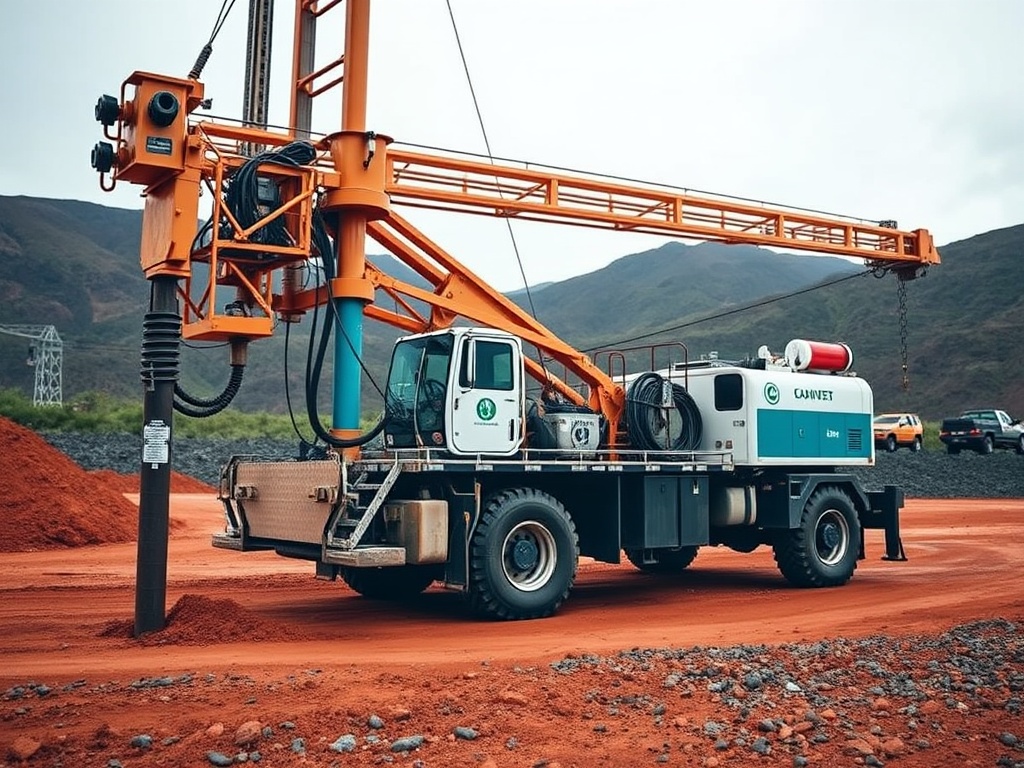
Production wells on Oʻahu commonly land between 800 and 2,000 feet depending on formation and intended use. WRI has drilled to 2,800 feet where basalt structure and municipal demand require it. Shallow exploratory bores answer different questions — they are not interchangeable with a permitted production well.
The usual project sequence
- Site assessment & records review
Existing well logs, parcel geology, and intended use (irrigation, estate supply, commercial) set the exploration plan.
- County permit & DOH coordination
Well permits and water-quality requirements vary by island and use class — scope them before quoting depth.
- Drill, log, and test
Certified drillers complete the borehole; yield and water-quality sampling prove production.
- Pump install & commissioning
Deep well pumping systems are sized to tested gpm — not brochure estimates.
Government RFP vs private landowner
| Municipal / agency | Private property | |
|---|---|---|
| Proof required | Contract history, licensed crews | Timeline, cost range, depth capability |
| Documentation | As-builts, monitoring plans | Yield report, pump spec |
| Typical depth | 1,200–2,800 ft production | 400–1,800 ft estate & ag |
| First call | RFP / procurement contact | Site assessment quote |
Island mobilization matters
Offices in Honolulu and Kawaihae exist because neighbor-island work is logistics — not a footnote. Projects on Maui, Hawaiʻi Island, Kauaʻi, and beyond need realistic mobilization windows in the contract schedule.
Questions landowners ask most
- How deep will my well need to be?
- Until exploration and nearby logs are reviewed, any number is a guess. Assessment narrows the range before drilling dollars are committed.
- How long do county well permits take?
- Timelines vary by island and completeness of the application — plan weeks, not days, and coordinate DOH sampling requirements early.
- Can you drill and install the pump?
- Yes — WRI scopes exploration through pump commissioning so production is one contract, not two vendors pointing at each other.
More in Groundwater Notes
← WRI homepage mock · Infographic lab → · Sparky Field Notes →